
Overhead Crane Installation in Existing Warehouses: Key Prep
menu_open
Content Quick Link
Overhead Crane Installation in Existing Warehouses: What Buyers Must Prepare in Advance
Most Important Takeaway
Before installing an overhead crane in an existing warehouse, thorough preparation is critical. Buyers must assess the building structure, verify load-bearing capacities, confirm electrical and safety requirements, and plan logistics in advance to avoid costly mistakes, operational downtime, and safety hazards. Proper planning ensures a smooth installation, long-term reliability, and optimal crane performance.
Key Takeaways
- Structural readiness: Ensure roof, beams, and columns can support the crane's weight.
- Ceiling height & clearance: Verify hook height, crane bridge travel, and aisle clearance for smooth operations.
- Lifting capacity & crane type: Determine the right tonnage, single girder vs. double girder, and duty class.
- Electrical requirements: Confirm voltage, phase, and power availability for overhead crane motors and hoists.
- Safety & compliance: Plan for OSHA/CE/ISO standards, emergency stops, overload protection, and anti-collision systems.
- Installation logistics: Prepare warehouse access, component storage, and schedule to minimize operational disruption.
- Maintenance & future-proofing: Ensure crane components are accessible for inspections, repairs, and potential upgrades.
- Budget planning: Include costs for building modifications, electrical upgrades, installation, and contingency funds.
Assessing Warehouse Suitability
When planning an overhead crane installation in an existing warehouse, the first step is to check whether the building itself can handle it. You don't want to discover halfway through installation that the roof or floor isn't strong enough—that's an expensive mistake. Buyers need to look carefully at structural integrity, ceiling clearance, and floor load capacity before even contacting a crane supplier.
Structural Integrity
The structure of your warehouse is the backbone of a safe overhead crane installation. Roof trusses, columns, and beams must be able to carry the combined weight of the crane bridge, trolley, hoist, and the heaviest load you plan to lift. If these elements are not strong enough, you may need reinforcements or structural upgrades before installation.
Practical steps for buyers:
- Inspect columns, roof beams, and trusses for cracks, rust, or signs of stress.
- Calculate total load: crane weight + hoist + trolley + maximum load.
- Consult a structural engineer if load-bearing capacity is uncertain.
- Identify where reinforcements may be needed, such as adding steel plates or support beams.
A thorough structural check saves a lot of headaches later. Sometimes even a small reinforcement can make an installation safe and functional, avoiding costly delays.
Ceiling Height and Clearance
Next, consider the height of your warehouse. You need enough space for the crane hook to lift materials safely, while also allowing the crane bridge and trolley to move freely across the span. Clearance isn't just about lifting height—it also affects how you arrange racks, pallets, and other storage.
Things to verify:
- Measure the maximum hook height needed for your typical loads.
- Check the distance from the top of your highest racks or equipment to the bottom of the crane bridge.
- Ensure aisles are wide enough for safe operation and load movement.
- Plan for any future changes in storage layout that might affect crane travel.
A crane that barely fits may work, but it will be limiting. Giving it a little extra clearance prevents constant operational headaches.
Floor Load Capacity
Finally, the warehouse floor must be strong enough to handle the point loads created by the crane's end trucks. These concentrated loads can be substantial, especially with heavier cranes or long spans. If your floor isn't rated for this, reinforcement may be necessary to prevent cracks or uneven settling.
Practical steps for buyers:
- Determine the weight of each end truck under full load conditions.
- Check the floor's load rating (often in tons per square meter).
- Inspect for existing floor damage, uneven surfaces, or prior repairs.
- Plan reinforcement such as thicker concrete pads or additional support beams if needed.
Remember, a strong floor is just as important as a strong roof. A weak floor may compromise crane stability and can even lead to accidents.
This section ensures buyers understand the physical requirements before investing in an overhead crane. By carefully assessing structural integrity, ceiling clearance, and floor strength, you reduce risks, prevent delays, and make sure your warehouse is ready for safe, efficient crane operations.
Determining Crane Specifications
Once your warehouse is ready structurally, the next step is figuring out what kind of crane you actually need. Buyers often underestimate this part, and it can lead to choosing a crane that's either too small or overbuilt—and both can be costly. The main factors to consider are lifting capacity, span and coverage, and duty class or usage frequency.
 Main parameters of warehouse overhead cranes required to tailored for your needs , check main specifications of double girder overhead cranes
Lifting Capacity
The lifting capacity is the most obvious specification, but it's also one that many buyers get wrong. Start by analyzing the heaviest loads you plan to move, then add a safety margin of 20–30% to account for occasional overloads or miscalculations.
Practical steps:
- List all materials or equipment you intend to lift, noting maximum individual weights.
- Add a safety margin to ensure the crane can handle unexpected heavier loads.
- Consider future operational growth, like increased inventory weight or larger shipments.
- Consult your crane supplier to confirm the hoist and trolley are rated for peak loads.
A slightly higher capacity than currently needed often saves money in the long run by avoiding early upgrades or replacement.
Span and Coverage
The crane span determines how far it can travel and how much of your warehouse it can cover. Measure the warehouse width accurately, then plan the crane runway to allow full coverage without restricting aisles or rack space.
Decisions to make:
- Single girder cranes: Cost-effective, ideal for light-duty loads and lower travel frequency. They are lighter and easier to install, but they have lower lifting limits.
- Double girder cranes: Better for heavier loads or frequent lifting operations. They are more stable and have higher lifting heights but cost more and require stronger structural support.
- Consider future warehouse layout changes, such as additional storage racks, that may affect coverage.
Choosing the right type of crane ensures you get maximum flexibility without overspending on unnecessary capacity.
Duty Class & Usage Frequency
How often and how intensively you will use the crane determines its duty class, which affects the hoist motor, bridge design, and long-term reliability.
Guidelines:
- Light-duty cranes: Suitable for occasional lifts, smaller tonnage, or low-frequency operations. Less expensive and simpler to maintain.
- Medium-duty cranes: Designed for more regular use or moderate load weights. Often used in general warehouse operations.
- Heavy-duty cranes: Built for frequent lifts, high-weight loads, or continuous operations, such as in steel or manufacturing facilities.
Matching the crane's duty class to your actual usage prevents over-stressing the equipment and reduces maintenance issues down the line.
In short, carefully determining lifting capacity, span, and duty class ensures that your crane meets your operational needs safely, efficiently, and cost-effectively. Skipping this step often leads to underperforming cranes or expensive upgrades shortly after installation.
Electrical Requirements
Even the best overhead crane won't work properly if your warehouse electrical system isn't ready. Before ordering or installing a crane, buyers need to verify that the power supply can handle the crane motors, hoists, and any additional equipment. Overlooking this step can cause delays, motor failures, or even safety hazards.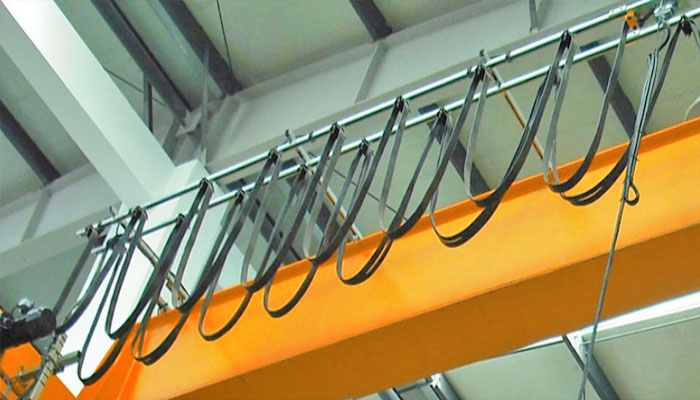
Voltage, Phase, and Amperage Compatibility
Not all warehouses have the right electrical setup for overhead cranes. Most industrial cranes require three-phase power, often at higher voltage levels than standard lighting or small machinery.
Practical checks for buyers:
- Measure the available voltage and confirm it matches the crane specifications.
- Check the current (amperage) capacity to ensure it can handle the full load of the crane motors.
- Verify phase type—single-phase won't work for medium or heavy-duty overhead cranes.
- Consider future expansion: if you might upgrade to heavier loads, plan for higher amperage capacity now.
Failing to check these details can lead to frequent motor tripping or overloading the warehouse's main power, causing downtime.
Dedicated Circuits, Safety Disconnects, and Grounding
Cranes should not share circuits with other equipment. A dedicated electrical supply ensures smooth operation and protects both the crane and the warehouse infrastructure. Safety disconnects and proper grounding are also non-negotiable.
Key points:
- Install a dedicated circuit for the crane, separate from lighting and machinery.
- Include an accessible main disconnect switch for emergency shutdowns.
- Ensure proper grounding to prevent electrical shocks and reduce the risk of fire.
- Use circuit breakers rated for the crane's maximum current load.
These steps protect operators, prevent damage to the crane, and ensure compliance with safety standards.
Future-Proofing: Automation and Integration
Modern warehouses often integrate cranes into automated systems, warehouse management software, or remote controls. Planning electrical upgrades in advance makes future automation easier and less costly.
Considerations:
- Add extra wiring or junction boxes for potential remote control systems.
- Ensure the electrical panel can support PLCs (programmable logic controllers) if automation is planned.
- Think about integrating the crane with inventory or material handling software for improved efficiency.
Even if you don't plan automation now, preparing the electrical infrastructure during installation is cheaper than retrofitting later.
Proper electrical planning is a critical part of installing an overhead crane in an existing warehouse. By checking voltage, phase, and amperage, setting up dedicated circuits and safety systems, and planning for future automation, buyers can prevent costly delays, improve safety, and ensure the crane operates efficiently from day one.
Safety and Compliance
Safety is not optional when installing an overhead crane in an existing warehouse. A crane may be perfectly sized and structurally supported, but without proper safety measures, it becomes a hazard to operators, inventory, and the building itself. Buyers need to ensure compliance with applicable standards and implement safety features before the first lift.
Compliance with Standards
Different regions have specific regulations and standards for overhead cranes. Ensuring your crane meets these requirements is crucial to avoid fines, insurance issues, or legal liability.
Key points to check:
- CE Certification: Required for Europe and many international buyers, ensures safety, quality, and reliability.
- ISO Standards: ISO 9927 for inspection and ISO 4301 for classification and duty ratings.
- OSHA Compliance: For U.S. warehouses, follows operational safety, load handling, and inspection guidelines.
- Local Regulations: Some regions have additional rules for indoor lifting equipment or electrical connections.
Documenting compliance early makes inspections and approvals faster, and it shows a responsible approach to safety.
Essential Safety Features
Modern overhead cranes include several built-in safety mechanisms. Even for light-duty applications, these features prevent accidents and reduce wear on the equipment.
Must-have safety features:
- Emergency stops: Easily accessible buttons to immediately stop the crane in case of an emergency.
- Overload protection: Prevents lifting beyond the crane's rated capacity, reducing structural stress and accidents.
- Anti-collision devices: Sensors or mechanical stops to prevent the crane from hitting walls, racks, or other cranes.
- Warning systems: Audible alarms or flashing lights to alert nearby personnel when the crane is moving.
These features protect operators and warehouse inventory and are often required for regulatory compliance.
Operator Training and Safety Plan
Even the safest crane is only as safe as its operators. A written safety plan and proper training program are critical for preventing accidents.
Practical steps for buyers:
- Develop an operator manual detailing load limits, travel paths, and emergency procedures.
- Conduct hands-on training for all operators before the crane goes live.
- Schedule regular refresher training to reinforce safety habits.
- Create a maintenance and inspection schedule to catch potential problems before they cause accidents.
A proactive safety culture reduces downtime, protects your workforce, and extends the life of your crane.
Safety and compliance are integral to a successful overhead crane installation. By ensuring regulatory compliance, including critical safety features, and training operators, buyers can operate their cranes confidently and efficiently.
Installation Planning and Logistics
Installing an overhead crane in an existing warehouse isn't just about putting pieces together—it's a carefully coordinated process. Without planning, you risk delays, interference with ongoing operations, or even damage to the crane or building. Buyers should think through delivery, storage, assembly, scheduling, and commissioning before the first component arrives.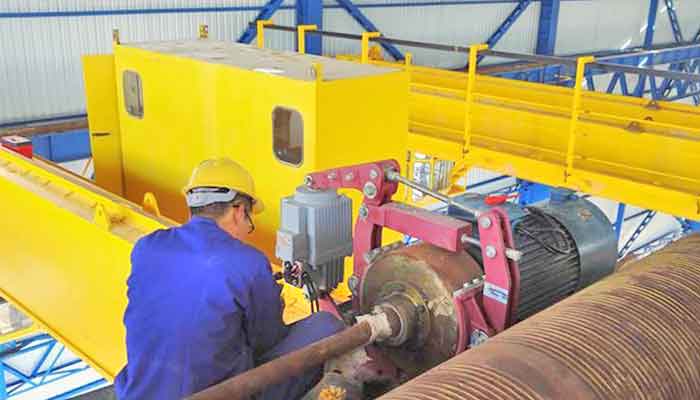
Overhead crane installation services - Single girder overhead crane installation guide
Access Points for Crane Components
Large crane components like girders, trolleys, and hoists don't just appear magically in your warehouse. You need to make sure they can actually get inside safely.
Practical steps:
- Measure door widths, warehouse entrances, and corridors to ensure large parts fit.
- Check ceiling heights or overhead obstructions that might block crane sections during delivery.
- Plan the route from unloading area to assembly site to avoid collisions with racks, machinery, or walls.
- Consider temporary removal of obstacles or rearrangement of equipment if necessary.
Good access planning avoids last-minute surprises that can delay installation by days.
Temporary Storage for Parts and Tools
Crane installation involves many large and heavy components, plus assembly tools, scaffolding, and safety equipment. Organizing storage is essential to keep the site safe and efficient.
Practical tips:
- Identify a dedicated space near the installation area for crane parts and tools.
- Keep heavy parts on stable surfaces to prevent shifting or damage.
- Organize tools and smaller components in labeled bins for quick access.
- Ensure storage doesn't block walkways or emergency exits.
Having a clear, organized storage plan makes the assembly process smoother and reduces risks of accidents.
Scheduling Installation to Reduce Downtime
Most warehouses need to keep running during crane installation, so timing is key. Plan carefully to minimize disruption to daily operations.
Steps to consider:
- Schedule delivery and assembly during off-peak hours or planned shutdowns.
- Break the installation into phases: runway installation, bridge assembly, hoist setup, and wiring.
- Coordinate with warehouse managers to ensure areas are clear when needed.
- Build in buffer time for unexpected delays, such as delivery issues or structural adjustments.
A well-planned schedule keeps your warehouse productive and ensures the crane is ready on time.
Test Lifts and Commissioning
Before the crane goes into full operation, test lifts and commissioning are critical to ensure everything works safely and correctly.
Checklist for commissioning:
- Perform empty travel tests to check bridge, trolley, and hoist movement.
- Conduct test lifts with incremental weights up to the crane's rated capacity.
- Inspect all safety devices, including emergency stops, overload sensors, and limit switches.
- Verify alignment, runways, and electrical connections.
- Document results and address any issues before operational use.
Skipping this step may seem tempting to save time, but it can lead to costly accidents or premature wear of crane components.
Proper planning of delivery, storage, scheduling, and testing ensures that your crane installation goes smoothly, safely, and on time. Buyers who take these steps in advance avoid delays, reduce operational disruptions, and make sure the crane is fully functional from day one.
Maintenance and Accessibility Considerations
Installing an overhead crane isn't just about lifting loads today—it's about keeping it running safely and efficiently for years. Buyers often overlook how important maintenance access and planning are. A crane that's difficult to reach or maintain can quickly become a safety hazard and a costly problem.
Accessibility for Inspection and Maintenance
Routine inspections are critical to ensure that the crane, hoist, and trolley are in good working condition. You need to plan in advance so technicians can easily access all components without disassembling major parts.
Practical steps:
- Ensure sufficient space around the crane for technicians to move and inspect parts safely.
- Verify that the hoist, trolley, and bridge mechanisms are reachable with ladders, lifts, or maintenance platforms.
- Check that critical inspection points, like limit switches and brake assemblies, are easy to reach.
- Design access paths so maintenance doesn't interfere with normal warehouse operations.
Easy access reduces downtime and helps keep the crane in top condition.
Routine Maintenance Planning
A crane that isn't regularly maintained can develop problems that shorten its lifespan or even cause accidents. Planning routine maintenance in advance keeps your operation safe and reliable.
Maintenance tasks to plan:
- Lubrication: Regularly oil or grease the bridge wheels, trolley gears, and hoist mechanisms.
- Cable and chain inspection: Check for wear, fraying, or corrosion and replace as needed.
- Safety inspections: Test emergency stops, limit switches, overload protection, and anti-collision systems.
- Structural checks: Inspect beams, end trucks, and connections for cracks or wear.
Having a documented maintenance schedule helps ensure nothing is overlooked and can also support compliance with safety regulations.
Future Upgrades and Modifications
Warehouses and operational needs change over time, so it's smart to plan for future crane modifications or upgrades.
Considerations:
- Leave extra space around the crane for potential installation of larger hoists or automation systems.
- Ensure electrical panels have capacity for higher-rated motors or remote control integration.
- Keep structural access points open for adding sensors, cameras, or new safety devices.
- Coordinate with your crane supplier on modular components that can be upgraded without a full replacement.
Planning for future changes saves money and avoids major disruption later.
Proper maintenance access, routine inspections, and future-proofing make your overhead crane safer, longer-lasting, and easier to manage. Buyers who address these considerations at installation time protect both their investment and their warehouse operations.
Budgeting and Contingency Planning
Even with careful planning, overhead crane installation involves significant costs, and unexpected challenges can arise. Buyers need to prepare a realistic budget that includes not just the crane itself, but all supporting costs. Skipping this step often leads to surprises, delays, or compromises on safety and quality.
Include All Supporting Costs
When budgeting, think beyond the price of the crane. Installation in an existing warehouse often requires additional work that can quickly add up.
Key cost considerations:
- Structural modifications: Reinforcing roof beams, columns, or floors to safely support the crane.
- Electrical upgrades: Dedicated circuits, wiring, disconnects, and grounding to handle crane motors and future automation.
- Installation labor and equipment: Cranes require skilled technicians, lifts, scaffolding, and tools for assembly.
- Testing and commissioning: Costs for test lifts, alignment checks, and safety inspections.
Factoring in all of these costs upfront helps avoid running out of budget mid-project.
Reserve Contingency Funds
Even the best-laid plans can face unexpected challenges. Structural surprises, delivery delays, or unforeseen site modifications can increase costs.
Practical advice:
- Set aside at least 10–15% of the total project budget for contingencies.
- Use contingency funds specifically for unexpected site modifications, additional labor, or minor equipment upgrades.
- Review potential risks with your contractor or crane supplier to estimate reasonable contingencies.
A contingency fund ensures the project can continue without compromising safety or quality.
Professional Installation vs. In-House Assembly
Many warehouses consider assembling the crane themselves to save money, but there are trade-offs.
Factors to weigh:
- Professional installation: Trained teams handle assembly efficiently, ensure safety compliance, and provide warranty coverage.
- In-house assembly: Can reduce upfront costs but may require specialized tools, experienced personnel, and extra time.
- Cost-benefit analysis: Compare total costs, potential downtime, and risks of mistakes when deciding between in-house and professional installation.
Choosing the right installation approach can save money and prevent costly errors or accidents.
Planning your budget carefully, including structural, electrical, and installation costs, reserving a contingency fund, and deciding on professional vs. in-house assembly ensures your overhead crane project stays on track. Smart budgeting reduces surprises, supports safety, and helps deliver a fully functional crane on time.
FAQs: Questions This Article Solves
1. How do I know if my existing warehouse can support an overhead crane?
Before installation, you need to check structural integrity, ceiling height, and floor load capacity. Inspect roof trusses, columns, and beams for strength, and confirm the floor can handle end truck point loads. Consulting a structural engineer is recommended if the warehouse is older or the load is heavy.
2. Should I choose a single girder or double girder overhead crane indoors?
It depends on load weight, lifting frequency, and span requirements:
- Single girder cranes: Cost-effective, lighter loads, simpler installation.
- Double girder cranes: Better for heavy loads or frequent lifts, higher stability, and longer lifespan.
Consider warehouse width, ceiling height, and future operational needs when deciding.
3. What lifting capacity is required for typical warehouse loads?
Start with the heaviest load you expect to lift, then add a 20–30% safety margin. Don't forget to factor in future growth or heavier inventory. Choosing the correct capacity ensures the crane operates safely without overloading the motors or hoists.
4. Can my current electrical system handle an overhead crane?
Check voltage, phase, and amperage of your warehouse power supply. Most cranes require three-phase power, dedicated circuits, proper grounding, and safety disconnects. Planning for potential automation or remote control integration now can prevent costly upgrades later.
5. What safety and compliance requirements must I meet?
Ensure the crane meets CE, ISO, OSHA, or local regulations, depending on your location. Essential safety features include:
- Emergency stops
- Overload protection
- Anti-collision devices
- Warning alarms or lights
Additionally, operator training and a documented safety plan are critical for long-term safe operation.
6. How can I plan installation logistics to minimize downtime?
Plan ahead for:
- Access points for large crane components
- Temporary storage for parts and tools
- A step-by-step installation schedule
- Test lifts and commissioning before full operational use
Careful logistics planning reduces operational disruptions and ensures the crane is ready on schedule.
7. What should I prepare for long-term maintenance and future upgrades?
Accessibility and routine maintenance are key to longevity. Make sure:
- Hoist, trolley, and bridge components are reachable for inspection.
- Lubrication, cable replacement, and safety inspections are scheduled regularly.
- Future upgrades, such as automation, higher-capacity hoists, or additional safety devices, can be added without major structural changes.
Conclusion
Installing an overhead crane in an existing warehouse isn't something to rush. Success depends on careful planning across several key areas: structural evaluation, selecting the right crane specifications, ensuring electrical compatibility, meeting safety standards, organizing installation logistics, planning for maintenance, and budgeting properly.
Buyers who address these points in advance can avoid costly mistakes, reduce downtime, and ensure smooth, safe operations from day one. Taking the time to prepare doesn't just make the installation easier—it extends the crane's lifespan, improves reliability, and keeps warehouse operations running efficiently.
With proper preparation, what might seem like a complex retrofit becomes a manageable, predictable process. In the end, a well-planned overhead crane installation is not just about lifting materials—it's about creating a safe, efficient, and long-term solution for your warehouse.

Article by Bella ,who has been in the hoist and crane field since 2016. Bella provides overhead crane & gantry crane consultation services for clients who need a customized overhead travelling crane solution.Contact her to get free consultation.